


 Download area


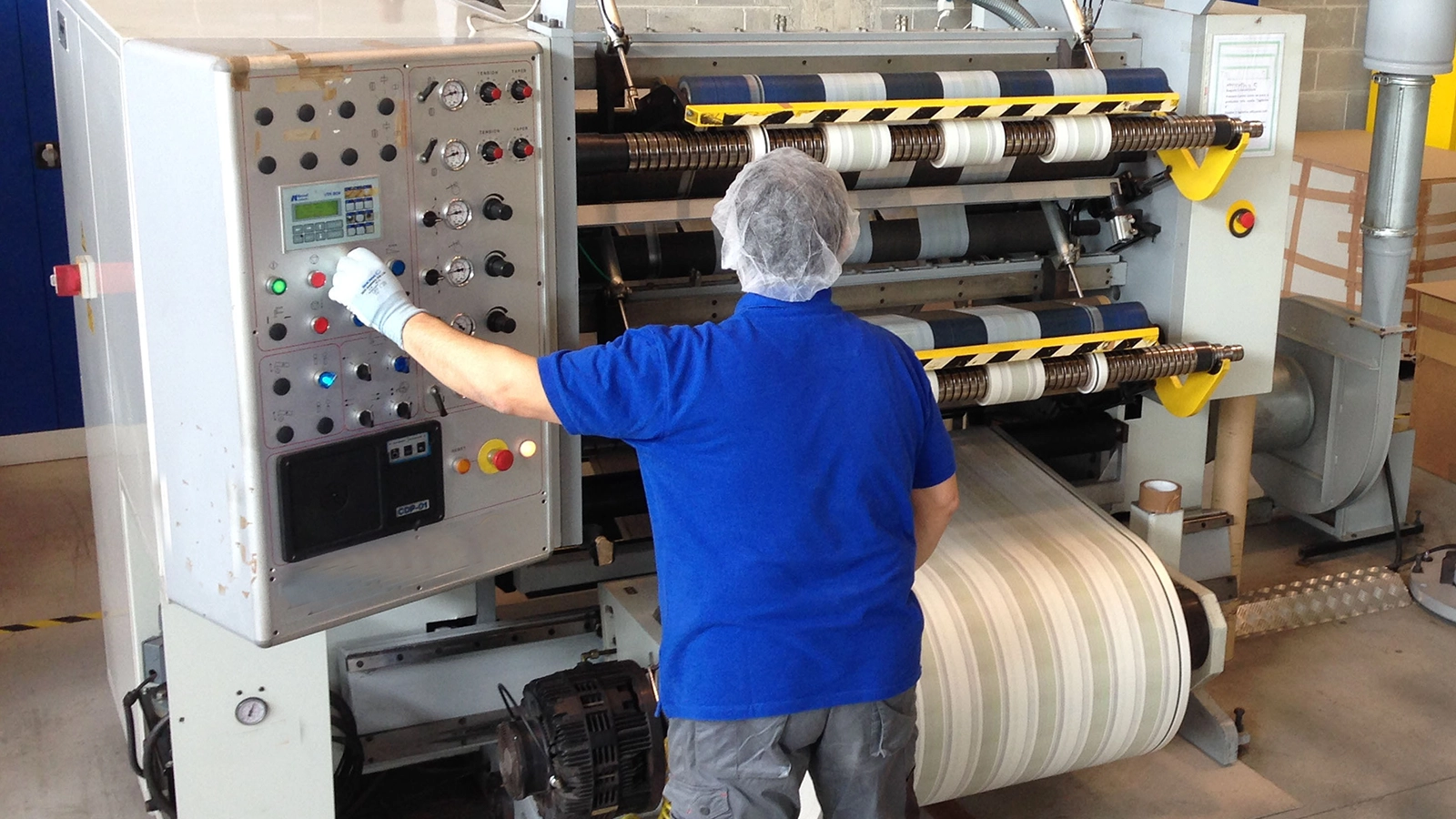
Process instability is one of the most common causes of waste, downtime and quality issues in converting lines.
Whether the instability comes from poor web alignment, incorrect tension control, operator adjustments or changing production conditions, the result is often the same: increased waste, reduced efficiency and inconsistent product quality.
In today’s highly competitive converting industry, improving process stability is not only a technical objective. It is a strategic factor that directly affects productivity, profitability and customer satisfaction.
Understanding the causes of instability is the first step toward building more reliable and efficient converting processes. In converting lines, identifying the root cause is often challenging because instability is usually generated by a combination of factors rather than a single issue.
What is process instability in converting lines?
Process instability occurs when production conditions are no longer consistent and repeatable over time.
In a stable converting process, every reel, every job and every production run behaves in a predictable way. Operators can maintain the desired quality level with minimal adjustments and the machine performs consistently from start to finish.
When instability appears, however, variations begin to affect the process and the final product quality and amount of waste.
Typical symptoms include:
- Web wandering and alignment issues
- Tension fluctuations
- Print register variations
- Inconsistent winding quality
- Frequent operator adjustments
- Increased startup and final waste
- Variations in production speed
Process instability is rarely caused by a single component or event. In most cases it is the result of multiple factors interacting throughout the converting line.
What makes instability particularly challenging is that all process variables are interconnected. A web alignment issue can influence print quality. Tension fluctuations can affect winding quality. Poor setup procedures can increase waste and create additional process variability.
Even a small issue in one area can trigger problems throughout the entire production process.
Why is process instability so important?
Process stability directly impacts several key performance indicators that converters and OEMs monitor every day.
A stable process allows manufacturers to:
- Reduce production waste
- Improve product quality
- Increase line speed
- Reduce setup times
- Improve process repeatability
- Minimize operator intervention
- Increase overall equipment efficiency
In many converting plants, process instability is often accepted as a normal part of production. However, what appears to be a minor issue can quickly generate waste, reduce productivity and increase operating costs. The more competitive the market becomes, the more important it is to build stable and repeatable production processes.
For this reason, improving process stability is often one of the fastest ways to increase profitability without making major changes to the production line.
The most common causes of process instability
1. Web Alignment Issues
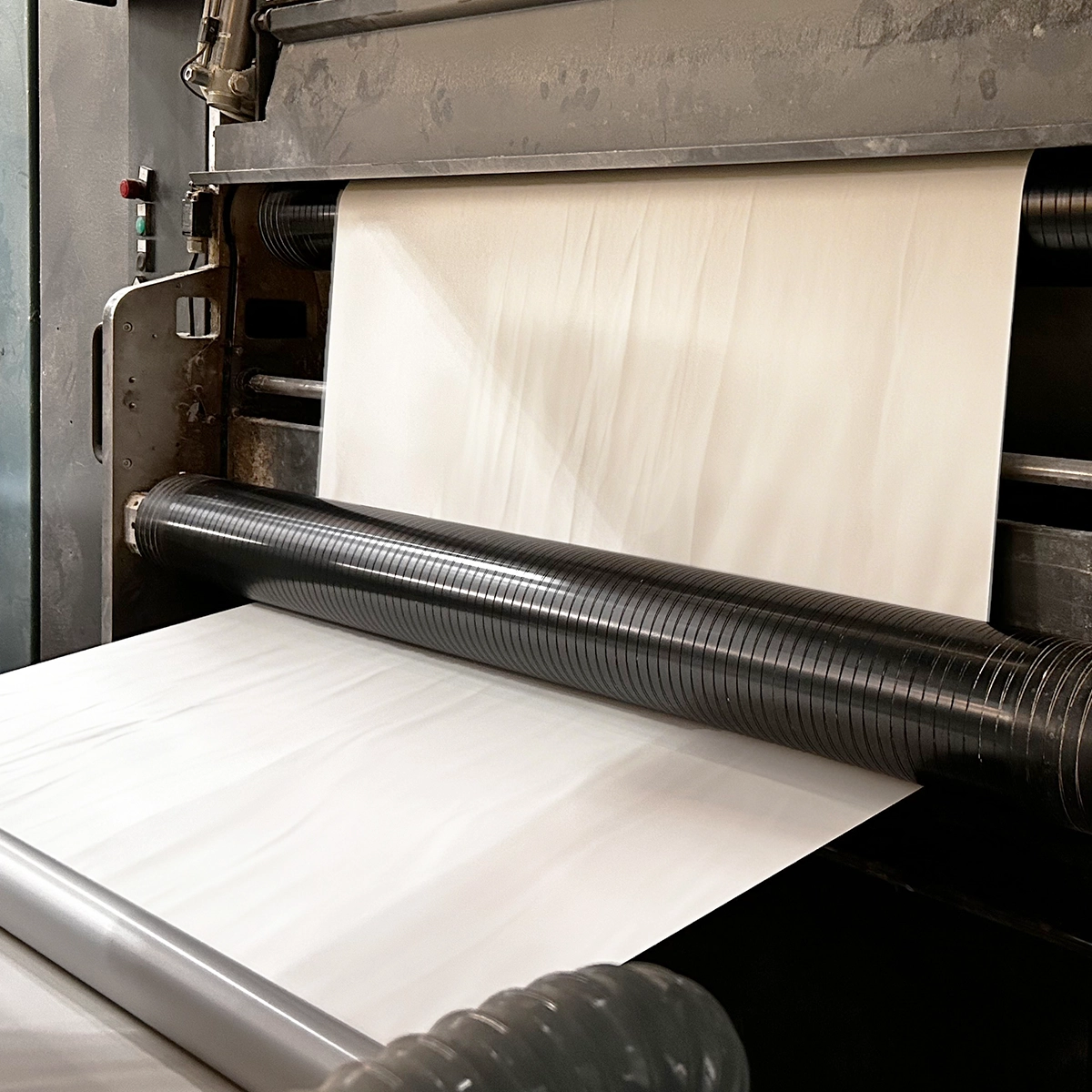
Proper web alignment is essential in almost every converting application. Even small web deviations can affect downstream processes such as printing, laminating, slitting and rewinding and many other processes.As production speeds increase, maintaining accurate alignment becomes even more critical. Poor web alignment may result in:
- Registration errors
- Uneven slitting
- Wrinkles
- Material damage
- Increased waste
Maintaining a stable web path throughout the process is one of the key factors in achieving consistent production quality.
2. Tension fluctuations
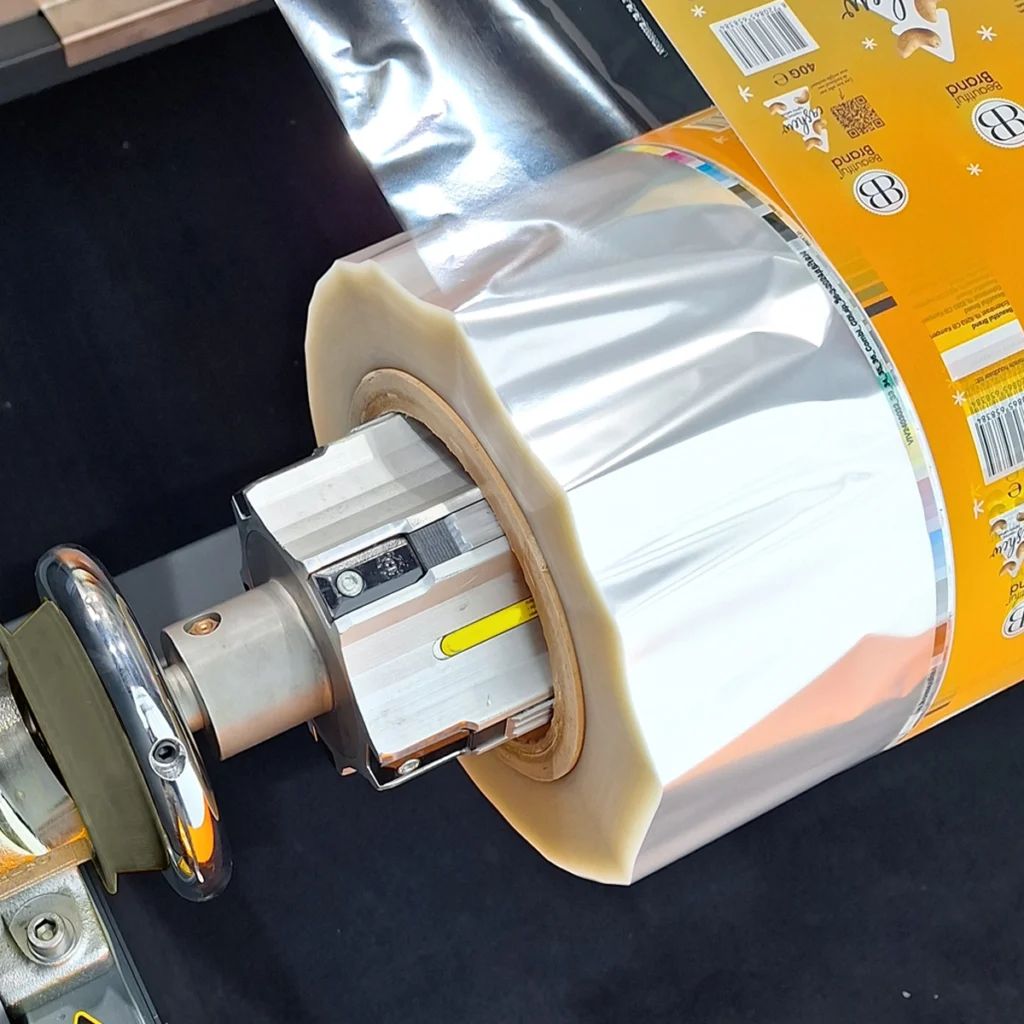
Web tension is another critical process variable. Incorrect tension control can generate several quality and production issues, including:
- Wrinkles
- Material stretching
- Print registration errors
- Telescoping reels
- Winding defects
- Web alignment problems
Different materials often require different tension levels, making precise control essential for maintaining stability throughout the production cycle. Stable web tension helps ensure consistent material behaviour and repeatable production results.
3. Machine Setup Variability
In many production environments, process instability originates during machine setup. Frequent manual adjustments, inconsistent setup procedures and operator-dependent decisions introduce variability into the process.
The more a production line relies on manual intervention, the more difficult it becomes to achieve repeatable results.
Standardized setup procedures and automated control systems can significantly improve process consistency.
4. Changing Production Conditions
Converting lines operate under constantly changing conditions. Variables such as:
- Material type
- Material thickness
- Reel diameter
- Line speed
- Environmental conditions
can all influence process behaviour.
A system that performs perfectly under one set of conditions may become unstable when those conditions change.For this reason, converting equipment should be designed to adapt to process variations while maintaining stable operating conditions.
How Process Instability Increases Waste
The impact of instability extends far beyond occasional quality issues. In many cases, instability generates hidden costs that accumulate over time and significantly affect profitability.
Common consequences include:
- Startup Waste: Additional material is often required to stabilize the process before production reaches acceptable quality levels.
- Quality Rejects: Variations in alignment, tension or print quality can result in finished products that fail quality standards.
- Rework: Unstable processes frequently require additional operations to correct defects or recover partially completed production runs.
- Downtime: Operators may need to stop the machine to identify and correct process issues.
- Reduced Production Speed: When operators lose confidence in process stability, they tend to reduce line speed to compensate for potential problems. While this may temporarily reduce defects, it also reduces productivity and increases production costs.
- Lower Machine Efficiency: Even when quality remains acceptable, process instability often prevents the equipment from reaching its full performance potential.
In many converting lines, the hidden cost of instability is significantly higher than the cost of the equipment required to improve process control.
How to Improve Process Stability
There is no single solution capable of eliminating every source of instability. Instead, stable converting processes are typically achieved through the combination of several factors.
- Improve Web Alignment: Maintaining accurate web positioning helps reduce variability throughout downstream processes and improves production consistency.
- Maintain Consistent Tension: Proper tension control ensures predictable material behaviour and reduces defects associated with stretching, wrinkling and winding problems.
- Reduce Operator Dependency: Standardized procedures and automated systems help minimize process variations caused by manual intervention.
- Improve Process Monitoring: Monitoring critical process variables allows operators to identify issues before they generate waste or downtime.
- Design for Repeatability: Machines and process control systems should be designed to deliver consistent results under different operating conditions.
Repeatability is one of the most important foundations of process stability.
Building More Reliable Converting Processes
Stable converting processes are not achieved through a single component. They result from the combination of proper machine design, reliable process control and a deep understanding of application requirements.
Companies that focus on process stability typically achieve lower waste levels, higher product quality and improved production efficiency.
In increasingly competitive markets, these improvements can make a significant difference to both operational performance and profitability.
Rather than treating instability as an unavoidable part of production, converters and OEMs should view it as an opportunity to improve process performance and gain a competitive advantage.
F.A.Q.
Process instability refers to variations in operating conditions that affect production consistency, quality and efficiency.
Instability increases startup waste, quality rejects, rework, downtime and production inefficiencies.
The most common causes include web alignment issues, tension fluctuations, inconsistent machine setup and changing production conditions.
Web guiding systems help maintain accurate material alignment, reducing process variability and improving downstream production quality.
Stable web tension ensures predictable material behaviour, reducing defects and improving process repeatability.