


 Download area


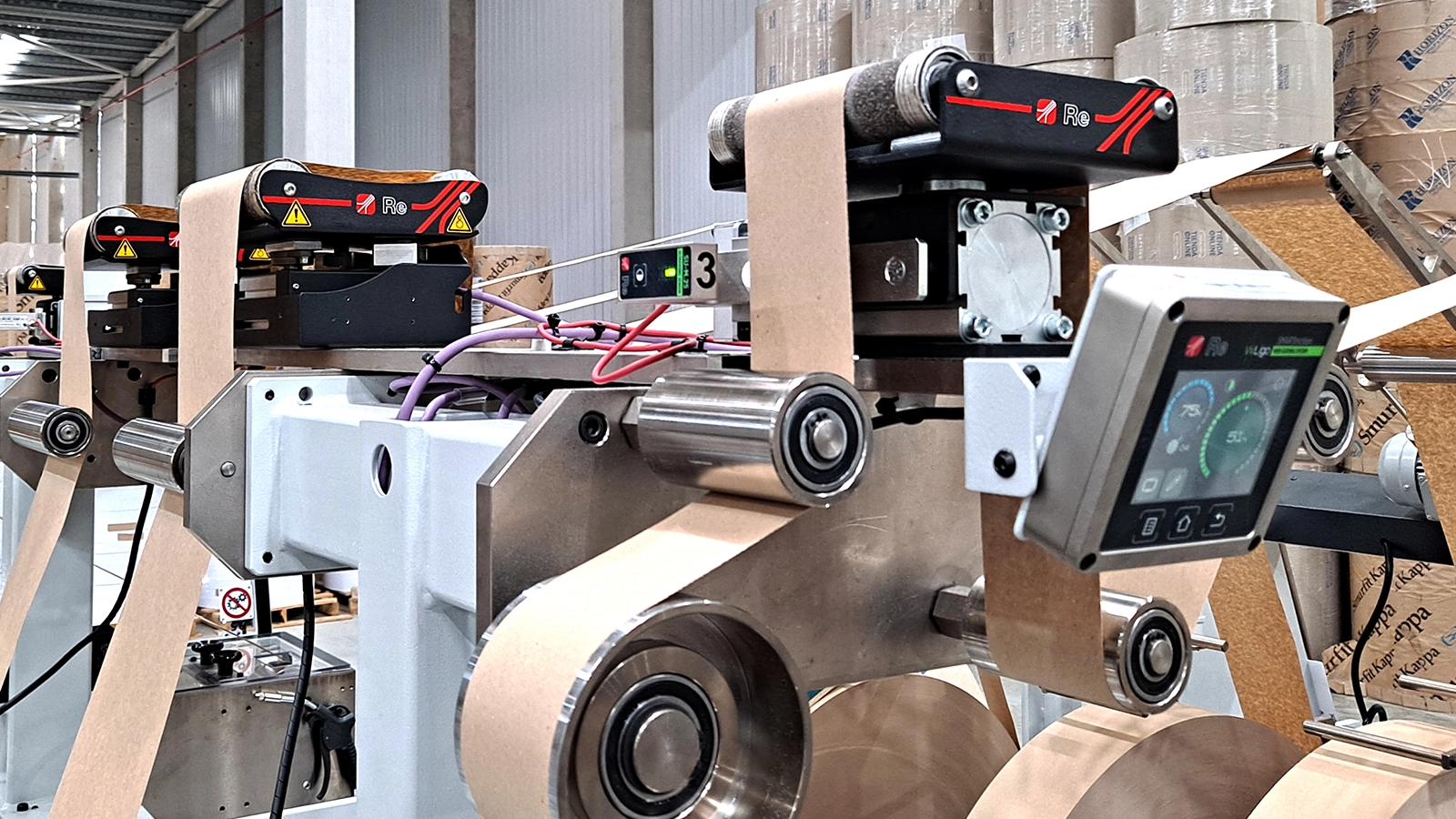
Choosing a web guiding system is not simply a matter of selecting a sensor or an actuator.
The effectiveness of a web guiding system depends on how well it fits the application, the machine architecture and the production requirements.
Material characteristics, available space, operating speed and integration constraints all influence the final result. The most effective solution is not necessarily the most sophisticated one, but the one that best fits the application.
For OEMs and converters, selecting the right web guiding system means balancing performance, machine integration, reliability and future production requirements.
Why web guiding system selection matters
One of the most common misconceptions is that there is a “best” web guiding system. In reality, there is no universal solution that works equally well for every application.
A web guiding system that performs perfectly on a narrow web label press may not be the right choice for a laminator, a slitter rewinder or a corrugated board application.
The performance of the system depends on multiple factors working together:
- Machine geometry
- Material characteristics
- Production speed
- Required correction accuracy
- Available installation space
- Operator requirements
For this reason, two machines producing the same final product may require completely different web guiding solutions.
A converting machine should always be viewed as an integrated system where every component contributes to the final performance. The web guiding system is not an isolated device but an active part of the overall machine architecture.
When correctly selected and integrated, a web guiding system becomes almost invisible to the operator: it simply works, maintaining alignment continuously and reliably throughout production.
The key factors to consider
1. Material type
The material being processed is often the starting point for selecting a web guiding system.
Different materials, such as paper, plastic film, labels, nonwoven materials, corrugated board or aluminum foils, behave differently during production. Material transparency, stiffness, thickness and surface characteristics all influence sensor selection and overall system architecture.
Material type and process conditions also influence web tension, which is another important factor to consider when selecting a web guiding system. Material position and web tension are often closely interconnected, and both contribute to overall process stability.
A solution that works perfectly on paper may not be suitable for transparent films or reflective materials.
2. Machine geometry
Machine geometry is one of the most critical aspects of web guiding integration: available space, roller positions, web path configuration and maintenance accessibility all influence the type of system that can be installed.
In many cases, the best performing solution on paper is not necessarily the best solution for the machine if installation constraints are not properly considered.
3. Production speed
As line speed increases, web guiding performance becomes more demanding. Higher speeds often require:
- Faster correction response
- Greater mechanical rigidity
- More accurate sensing
- Improved system stability
The required performance level should always be evaluated against the actual operating conditions of the machine.
4. Required correction accuracy
Not every application requires the same level of alignment precision, a packaging application may tolerate deviations that would be unacceptable in narrow web printing or high-quality printing processes.
Understanding the required correction accuracy helps avoid both under-sizing and over-sizing the system.
5. Sensor technology
Different sensor technologies are available depending on the application requirements. The most common technologies include: Ultrasonic sensors, Infrared sensors, Optical sensors.
Depending on the application, sensors can be used to detect either the edge of the material, its centreline or a printed line and pattern.
Each technology offers specific advantages depending on the material being processed and the operating environment.
Ultrasonic sensors are typically used with paper, cardboard and plastic films regardless of colour or transparency. Infrared sensors are commonly used with sound-transparent materials such as nonwovens and textiles, while optical sensors are often selected when a printed line, edge or pattern must be detected.
Sensor selection should always be based on application requirements rather than personal preference or previous experience alone.
6. Guide frame architecture
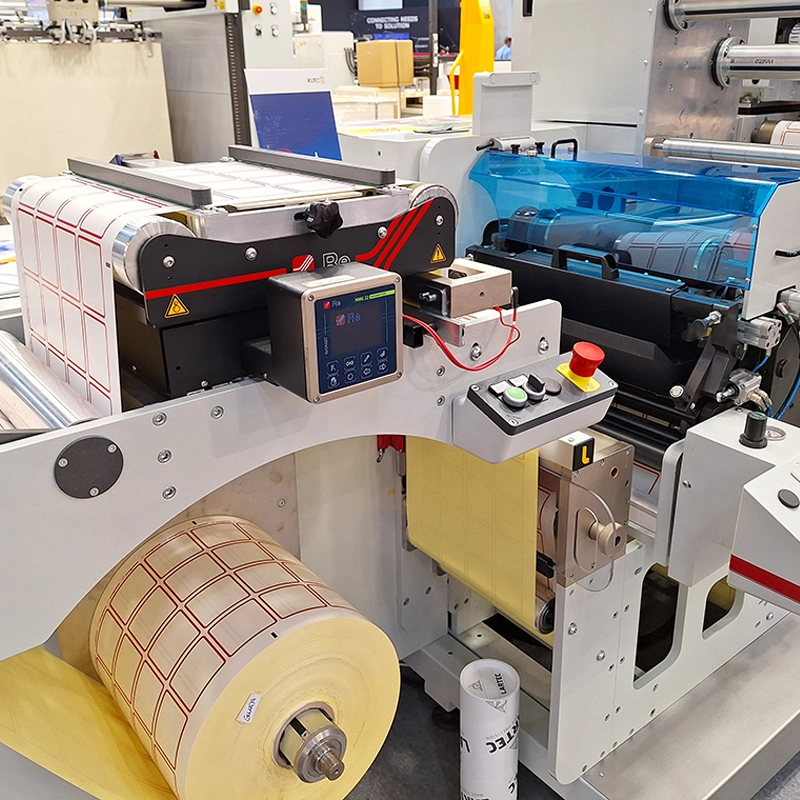
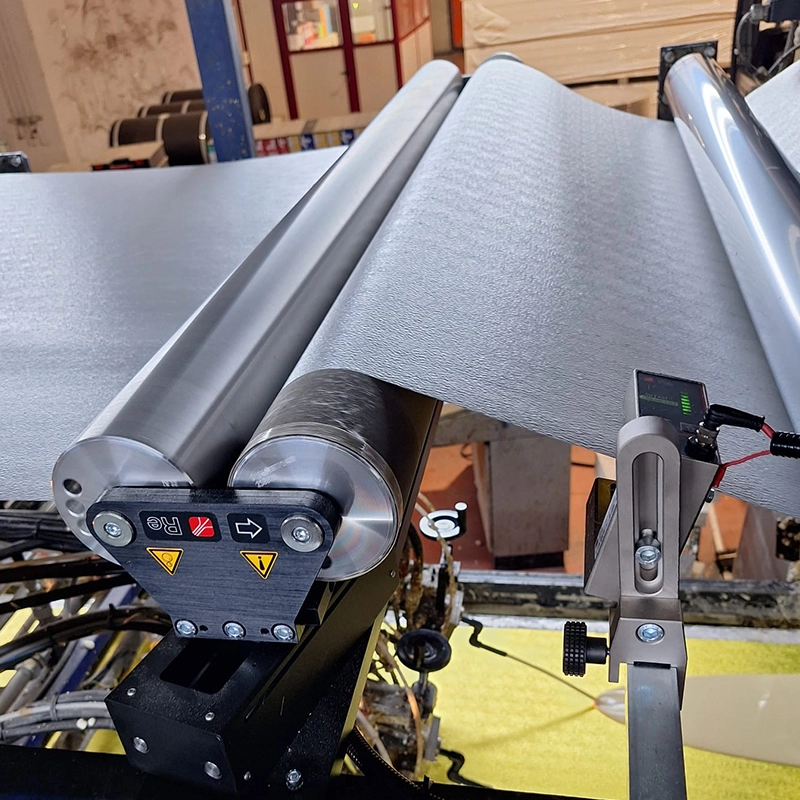
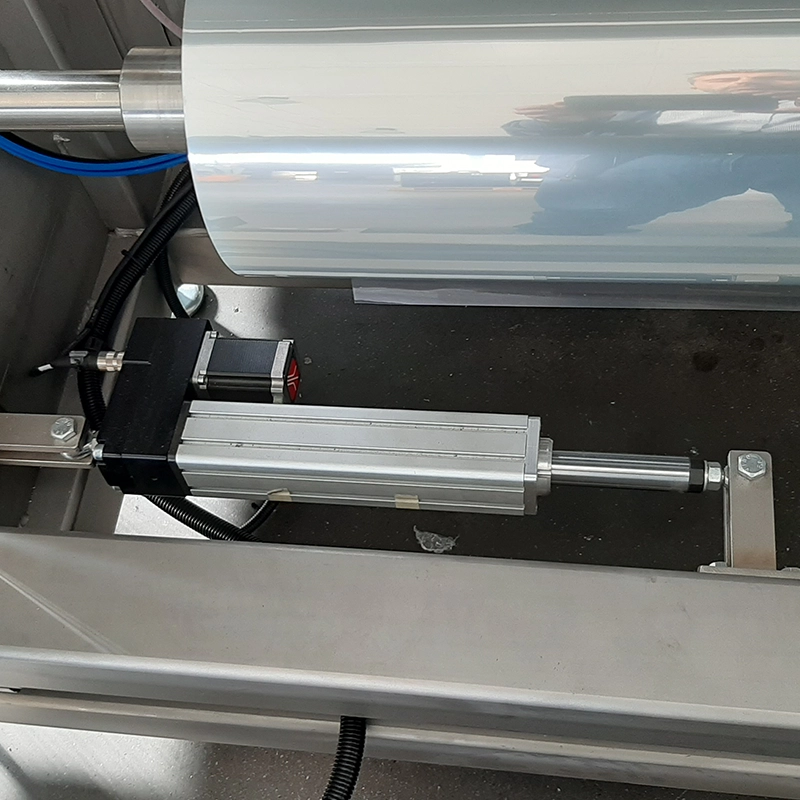
The guide frame architecture plays a major role in system performance. The most common solutions include:
Each architecture offers advantages depending on machine layout, available space and required correction dynamics. The architecture must also be selected according to where the correction needs to take place within the machine.
For example, when the objective is to correct the position of the unwind or rewind station, a linear actuator is the solution. When the material must be aligned during the converting process, pivoting guide frames or steering roller systems are typically used.
Selecting the appropriate architecture is often as important as selecting the sensor itself.
Integration on new machines vs retrofit applications
Although every application requires its own optimized solution, there is a significant difference between integrating a web guiding system on a new machine and integrating it on an existing machine.
New Machine Applications
When developing a new machine, the objective is optimization.
The machine can be designed around the web guiding system from the very beginning of the project.
This approach allows OEMs to:
- Optimize web path geometry
- Maximize correction performance
- Simplify integration
- Reduce future constraints
Working with a web guiding specialist during the machine design phase often results in a simpler and more efficient solution.
Retrofit Applications
Retrofit projects follow a different logic. Here, the objective is integration.
The web guiding system must adapt to an existing machine architecture, existing space limitations and existing production requirements.
In retrofit applications, success depends heavily on the ability to understand the application and adapt the system accordingly.
The best solution is often not the most advanced one, but the one that can deliver the required performance while remaining easy to install, commission and maintain.
Why Customization Can Be Critical
Customization should not be seen as a goal. In many applications, standard solutions provide excellent performance.
However, when machine constraints, production requirements or integration challenges become more demanding, customization can become the key to achieving optimal performance.
Typical situations where customization may be beneficial include:
- Limited installation space
- Unusual machine geometries
- Retrofit projects
- High-performance applications
- Difficult materials
A customized web guiding system is not simply a modified product.
It is a solution specifically designed to fit the machine architecture and production objectives.
When properly implemented, customization can help maximize process efficiency, reduce waste and improve overall machine performance.
In highly competitive markets, even small performance improvements can generate significant long-term benefits.
The importance of choosing the right technical partner
Selecting the right technology is important.
Selecting the right technical partner is often equally important.
The performance of a web guiding system depends not only on the technology itself but also on the expertise behind its integration.
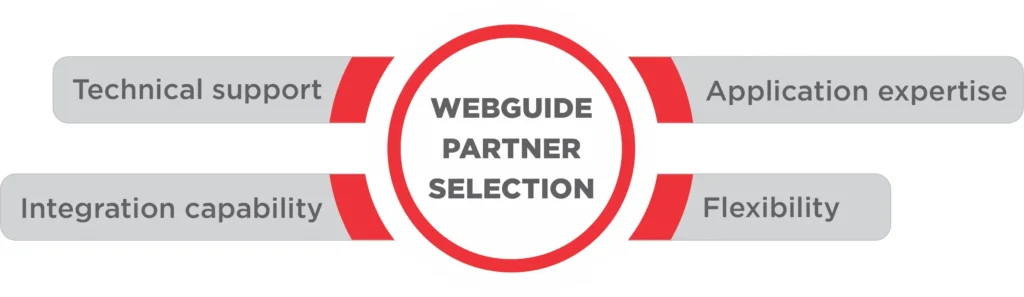
When evaluating a potential supplier, OEMs and converters should consider several factors.
Application Expertise: A partner should understand converting processes, material behaviour and real production challenges.
Integration Capability: The ability to adapt solutions to machine requirements is often critical for successful projects.
Support During Development: Close collaboration during machine development can simplify integration and reduce commissioning time.
Flexibility: Every application is different. The ability to adapt standard solutions when required can make a significant difference.
Long-Term Support: Web guiding systems are long-term investments. Reliable technical support remains important long after installation.
Working with a partner that understands converting applications, machine architecture and production requirements can significantly reduce development time, simplify installation and improve long-term performance.
Building the Right Web Guiding Solution
Choosing the right web guiding system is not about finding the most advanced technology.
It is about finding the solution that best fits the application.
Material characteristics, machine geometry, production speed, integration constraints and future production requirements all play a role in determining the optimal system.
By approaching web guiding selection from a complete application perspective, OEMs and converters can improve machine performance, simplify integration and achieve more reliable production results.
F.A.Q.
There is no single factor. Material type, machine geometry, production speed and correction accuracy must all be considered together.
Sometimes yes, but different machine architectures often require different solutions to achieve optimal performance.
In many cases, yes. Retrofit projects require the web guiding system to adapt to existing machine constraints and available space.
Customization becomes valuable when standard solutions cannot fully satisfy machine geometry, performance or integration requirements.
Because system performance depends not only on the technology itself but also on how it is integrated into the machine and supported throughout its lifecycle.